
Most Indians are deficient in omega-3—and many do not know it.
That matters because omega-3 is not a trendy extra. It plays an important role in brain health, heart health, cellular balance, mood, and overall cellular function. When levels are low, the effects can be subtle at first: brain fog, poor focus, low mood, dry skin, slow recovery, or the feeling that your body is not functioning at its best.
The challenge is that these symptoms are easy to overlook. People may blame stress, poor sleep, age, overwork, or a hectic lifestyle. But for many people in India, one overlooked piece of the puzzle is fatty acid balance—especially omega-3 status.This article explains why omega-3 deficiency is so relevant in India, why so many people may be at risk, what symptoms to watch for, and how a testing-first approach can help you make better decisions.
Why Omega-3 Matters
Omega-3 fatty acids help support many of the body’s core systems.
They are involved in:
- brain structure and function
- heart and cardiovascular health
- cellular balance support
- cellular membrane health
- mood regulation
- eye health
- recovery and resilience

Because omega-3 is foundational rather than flashy, low levels can affect how you feel in gradual, quiet ways. People may not realize that ongoing brain fog, poor concentration, low mood, dry skin, or slow recovery may be connected to low omega-3 intake or poor fatty acid balance.
Why Omega-3 Deficiency Is So Relevant in India
India has several population-level patterns that can increase the risk of low omega-3 status.
1. Low fish consumption in many diets
Many Indians eat little or no fish, whether by choice, tradition, or geography. For people following vegetarian or mostly vegetarian diets, omega-3 intake may depend heavily on plant sources.
2. Plant sources are not always enough on their own
Foods like flaxseed, chia seeds, walnuts, and certain oils can contribute omega-3 precursors, but the body does not always convert these efficiently into the longer-chain forms most associated with brain and heart benefits.
That means someone may technically consume some omega-3-containing foods while still not achieving an optimal functional level.
3. Modern diets may be skewed toward omega-6
Many people consume large amounts of processed oils, packaged foods, fried foods, and restaurant meals. These patterns often increase omega-6 intake. The issue is not that omega-6 is inherently bad, but that the overall balance between omega-6 and omega-3 can become heavily skewed.
When that balance is off, the body’s cellular balance may shift in ways that are less supportive over time.
4. Urban lifestyles add pressure to recovery and resilience
Stress, pollution exposure, poor sleep, and sedentary work patterns all place extra demands on the body. When the underlying nutritional picture is not strong, the effects may become more noticeable.
Common Symptoms of Omega-3 Deficiency
Low omega-3 status does not create one single obvious symptom. Instead, it often shows up as a cluster of subtle issues.
Possible omega-3 deficiency symptoms may include:
- brain fog
- difficulty concentrating
- low mood or irritability
- dry skin
- slow recovery after stress or exercise
- stiff or uncomfortable joints
- feeling run-down or sluggish
- poor resilience under pressure
For many people, symptoms like fatigue and brain fog are easy to dismiss, even when they may reflect a deeper nutritional imbalance.
These symptoms are not unique to omega-3 deficiency, which is exactly why testing matters. The body can express imbalance in similar ways across different issues. But omega-3 deserves attention because it is so foundational to general function.
How Low Omega-3 Can Affect Health Over Time
Brain and cognitive function
Omega-3 is especially important for the brain. Low intake or low levels may affect concentration, mental sharpness, and general cognitive clarity.
Mood and emotional resilience
Mood is influenced by many factors, but nutritional foundations matter. Omega-3 has been widely discussed in relation to emotional balance, resilience, and overall brain support.
Heart health
Healthy fatty acid balance is relevant to long-term cardiovascular support. This is one reason omega-3 is often discussed in preventive health and wellness conversations.
Cellular balance
One of the most important roles of omega-3 is helping maintain a healthier cellular balance. When intake is too low relative to other fats, the body may become less resilient over time.
Recovery and general well-being
People who feel run down, off-balanced, mentally dull, or slow to recover may benefit from looking more closely at nutritional foundations—and omega-3 is one of the most important ones.
Why a Testing-First Approach Matters
This is where many people go wrong.
They hear that omega-3 is important and immediately buy a supplement. That may feel proactive, but without testing, they still do not know:
- whether omega-3 is actually low
- how low it is
- whether the ratio is significantly out of balance
- what kind of correction may be needed
- whether changes are working over time
A testing-first approach is better because it replaces guesswork with information.
Instead of asking, “Should I randomly take something?” you can ask, “What does my current internal picture show, and what would be the most informed next step?”
That is the difference between generic wellness advice and personalized internal health support.
How to Test Omega-3 Levels
Omega-3 status is not always obvious from symptoms alone. Testing can help show where you stand and whether improvement is needed.
A better testing approach looks at actual fatty acid balance rather than relying only on general assumptions about diet.
That matters because two people can eat similarly and still have very different internal results depending on absorption, consistency, conversion, lifestyle, and overall dietary balance.
Testing is most useful when you can interpret your results in context rather than relying on guesswork alone.
How to Improve Omega-3 Status
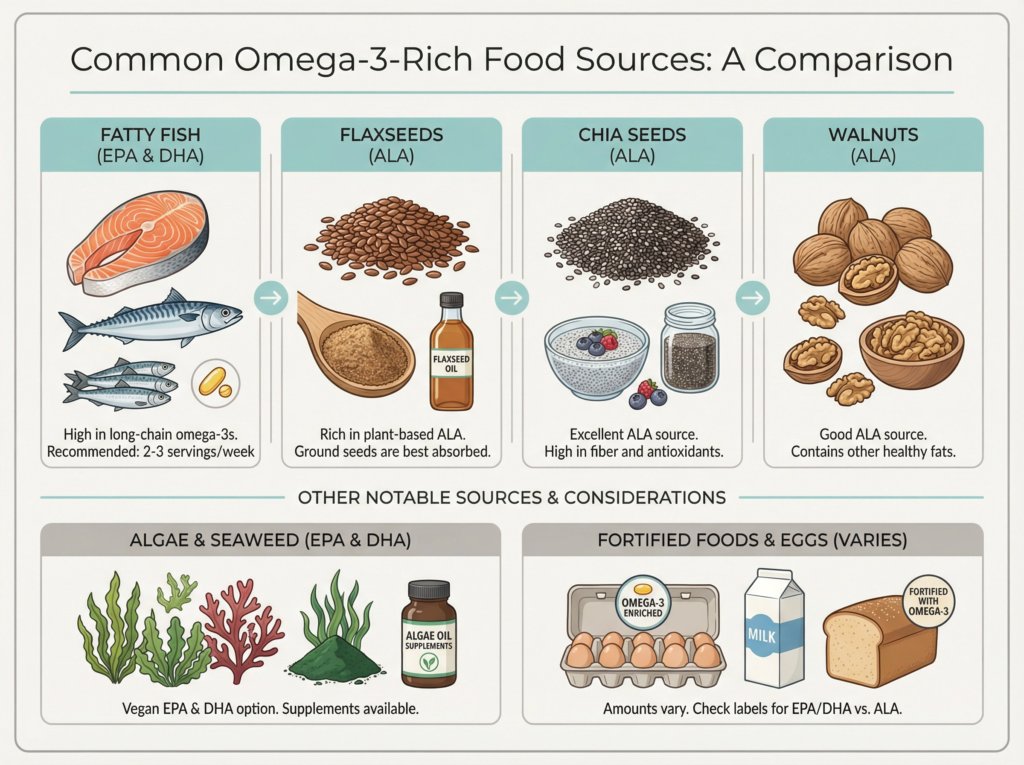
If omega-3 levels are low, improvement usually comes from a combination of better intake, better choices, and better follow-through.
1. Increase omega-3-rich foods
Depending on your dietary pattern, this may include:
- oily fish if appropriate for your diet
- flaxseed
- chia seeds
- walnuts
- other omega-3-supportive foods
2. Pay attention to quality and consistency
Occasional effort is not the same as meaningful change. Better internal balance often comes from consistency over time.
3. Consider the overall fat balance
It is not only about adding omega-3. It can also help to look at whether your diet is overloaded with processed oils and omega-6-heavy foods.
4. Track progress instead of guessing
If you make changes, it is helpful to know whether they are actually improving your internal balance. That is another reason testing is valuable.
Why This Matters for India Specifically
This topic is especially relevant in India because many people are health-conscious but still may not realize how common fatty acid imbalance can be.
Vegetarian eating patterns, low seafood intake, modern urban diets, and general nutritional imbalance can all make omega-3 a more important conversation than many people assume.
And because the symptoms can overlap with stress, poor sleep, and deficiency-related fatigue, low omega-3 may be overlooked for a long time.
A Better Next Step Than Guessing
If you suspect omega-3 may be part of the picture, the smartest first step is not random supplementation. It is clarity.
When you understand your internal balance more clearly, you can make better decisions about what your body may need and how to track progress over time.
That is especially true for something like omega-3, where the difference between “probably low” and “measured and confirmed” matters.
Stop guessing about your omega-3 levels. Take the BalanceTest and get a clear picture of what your body actually needs.
Disclaimer: This content is for educational and informational purposes only and is not intended as medical advice. This product is not intended to diagnose, treat, cure, or prevent any disease. Always consult your doctor or a qualified healthcare professional before making any health decisions or starting new health regimens.
Disclosure: I am an Independent Partner of Zinzino. This site is educational in nature and not endorsed by or affiliated with Zinzino.